RF Microneedling and Exosome Serums: A B2B Buyer's Guide to Product-Delivery Protocols
What "exosome microneedling" actually means, how RF microneedling devices support topical serum delivery, and what distributors and clinics should check before sourcing equipment.
Exosome serums are one of the fastest-growing add-on services in aesthetic clinics right now, and a growing number of distributors are getting the same question from their clinic customers: "Can this RF microneedling machine be used for exosome treatments?"
The honest answer is more nuanced than a yes or no — and getting it right matters, both for setting correct expectations with your buyers and for staying on the right side of advertising rules in your market. This guide breaks down what's actually happening at the device level, what to look for when sourcing equipment, and how to talk about this pairing without overstating what the machine does.
What RF Microneedling Actually Does
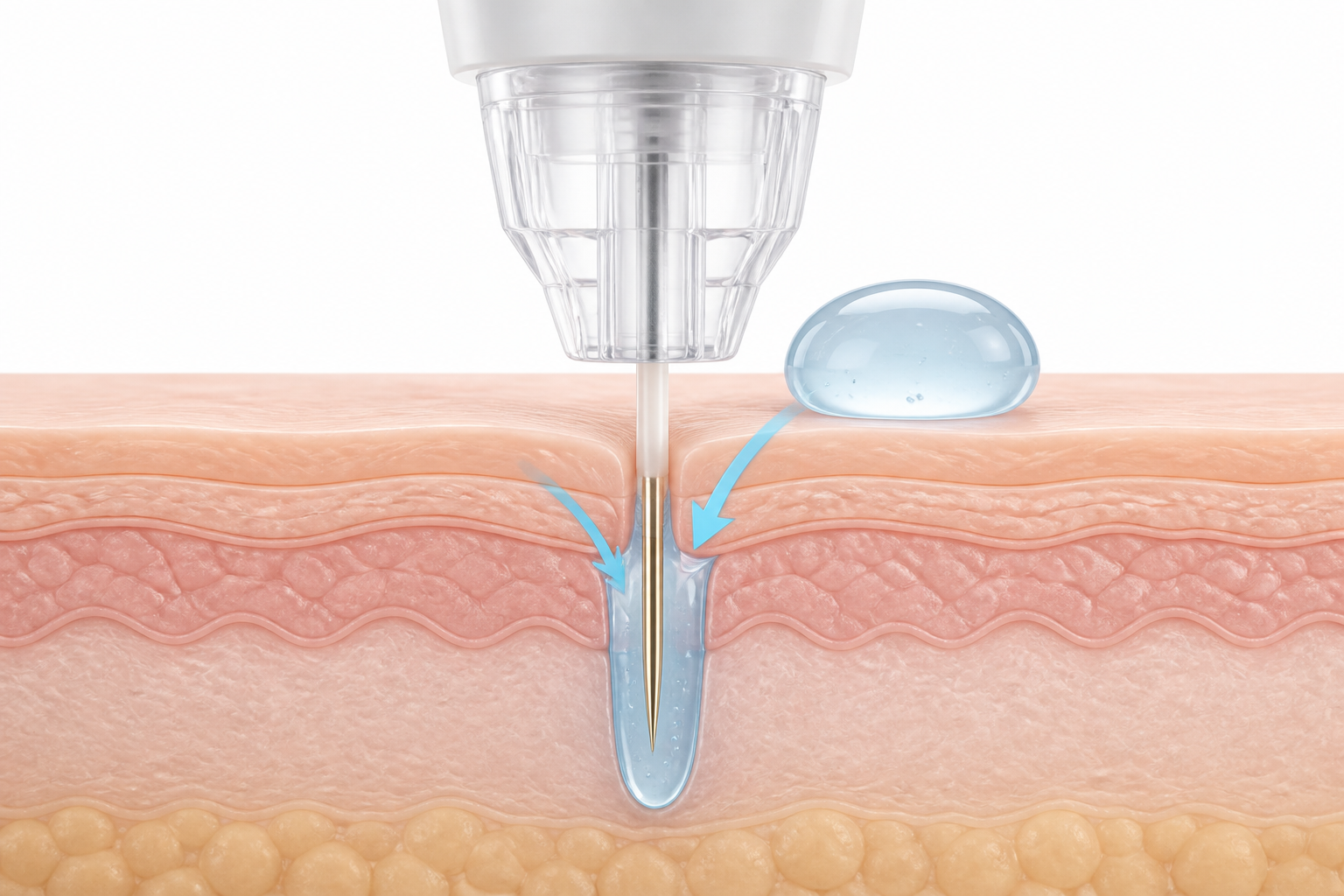
Fractional RF microneedling machines use fine, insulated needles to create controlled micro-channels in the skin, then deliver radiofrequency energy at a set depth through the needle tip. The RF energy is what drives the collagen-remodeling and skin-firming effects these devices are known for.
That's the whole job of the machine: create the channel, deliver the energy. The device does not contain, generate, or dispense exosomes, growth factors, or any other topical ingredient.
Where "Exosome Microneedling" Comes From
The micro-channels created during a microneedling pass temporarily increase how well topical products absorb into the skin. This is the same principle behind combining microneedling with vitamin C serums, peptide serums, or PRP — the needling opens a delivery pathway, and whatever the clinic applies afterward, or during, is what gets carried in.
"Exosome microneedling" describes this same combination, using an exosome-based serum as the topical product. The device and the serum come from two different places: the machine creates the delivery pathway, and the clinic sources the exosome serum separately from a cosmetic ingredient or skincare supplier. A manufacturer selling the RF microneedling machine is not selling, and should not claim to be treating with, the exosome product itself.
A Regulatory Note Worth Passing to Your Customers
As of 2026, exosome products — whether applied topically or injected — do not have aesthetic-use approval from the FDA in the United States, and regulatory status varies by country elsewhere. This doesn't mean clinics can't offer exosome add-on services; many already do, sourcing serums through licensed cosmetic channels. It does mean that marketing language should stay in "product-delivery" territory rather than "treatment" or "therapeutic outcome" territory.
For distributors building out landing pages or sell sheets around this topic, safer phrasing looks like:
- "Designed to support topical product-delivery protocols"
- "Suitable for use alongside serum-based aftercare routines"
Phrasing to avoid:
- "Delivers exosome therapy"
- "Treats skin with exosomes"
What to Look for in a Device for Product-Delivery Work
Not every RF microneedling machine is built with topical delivery in mind. If product-delivery protocols are a selling point your clinic customers care about, check for:
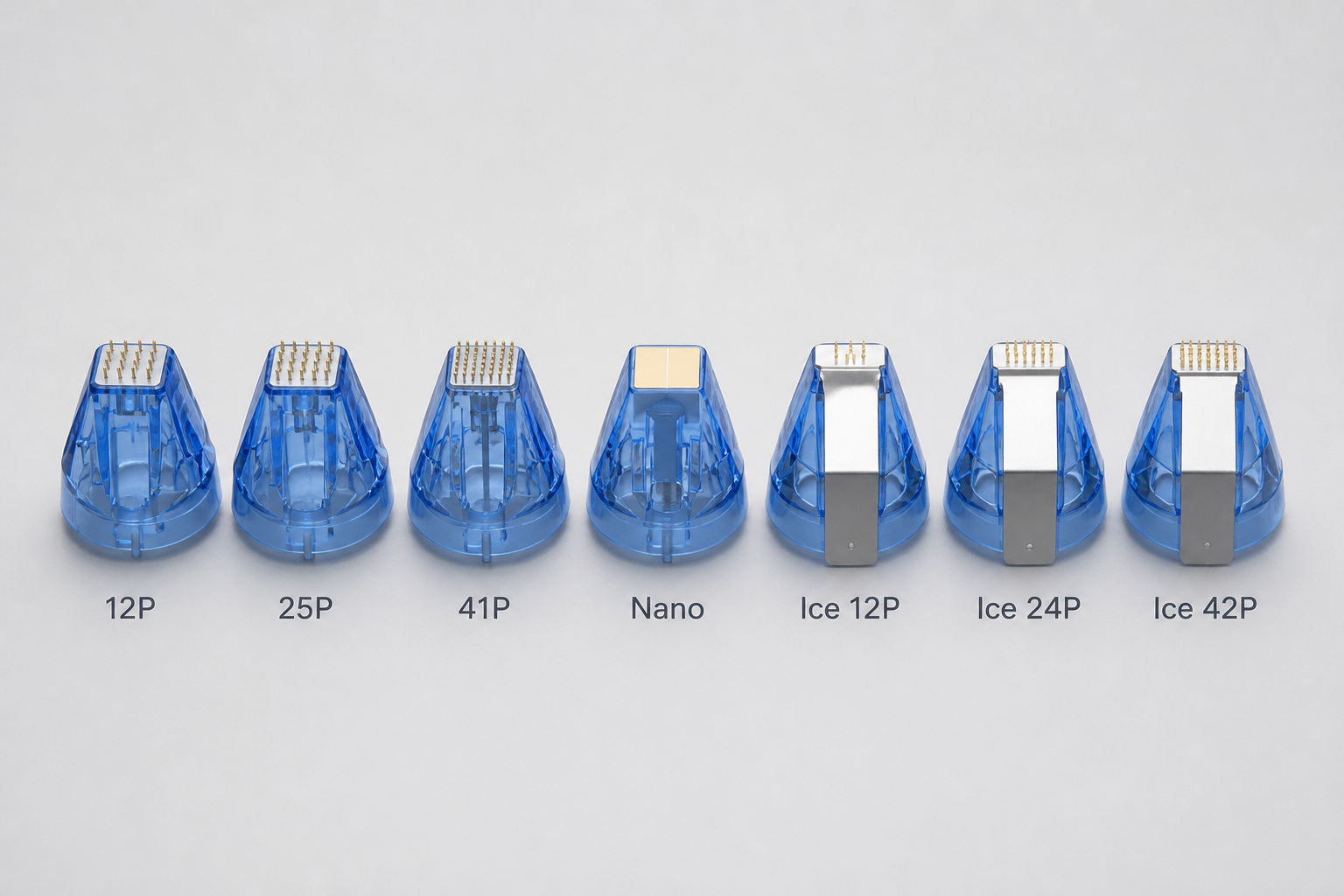
A dedicated superficial or "nano" tip. Standard fractional tips are built for deeper collagen-remodeling depths. A separate, shallow-depth tip designed specifically for superficial channel creation is what makes a device suitable for pairing with topical serums, without over-penetrating for a delivery-only pass.
Fine depth control at the shallow end. Look for adjustability in the 0.1–1.0 mm range, not just deep-tissue settings.
Single-use, insulated needle cartridges. This matters more, not less, when a device is being positioned for serum-delivery protocols, since hygiene and cross-contamination standards are under more scrutiny in this category.
Device Spotlight: SK-A70 CryoM9
Among RESCUPL's current RF microneedling lineup, the SK-A70 CryoM9 Ice Gold RF Microneedling Machine is the model built with this use case in mind. It ships with a dedicated Nano tip, listed in its manual specifically for superficial product-delivery protocols, alongside its standard 12P, 25P, 41P, and Ice-cooled tip options for deeper collagen-remodeling work.
That means a single console can cover both jobs a clinic actually wants — standard RF microneedling for firming and texture, and a shallow-depth pass with the Nano tip to open the skin ahead of a topical serum application — without needing a second machine.
Other specs relevant to distributors evaluating fit for this segment:
| Feature | SK-A70 CryoM9 |
|---|---|
| Depth range | 0.5–7.5 mm adjustable |
| RF frequency | 1 MHz, 2 MHz, 1+2 MHz |
| Product-delivery tip | Yes (Nano tip) |
| Cooling | Integrated (Ice Gold handpiece) |
| Touchscreen | 15.6" |
Positioning This for Your Clinic Customers
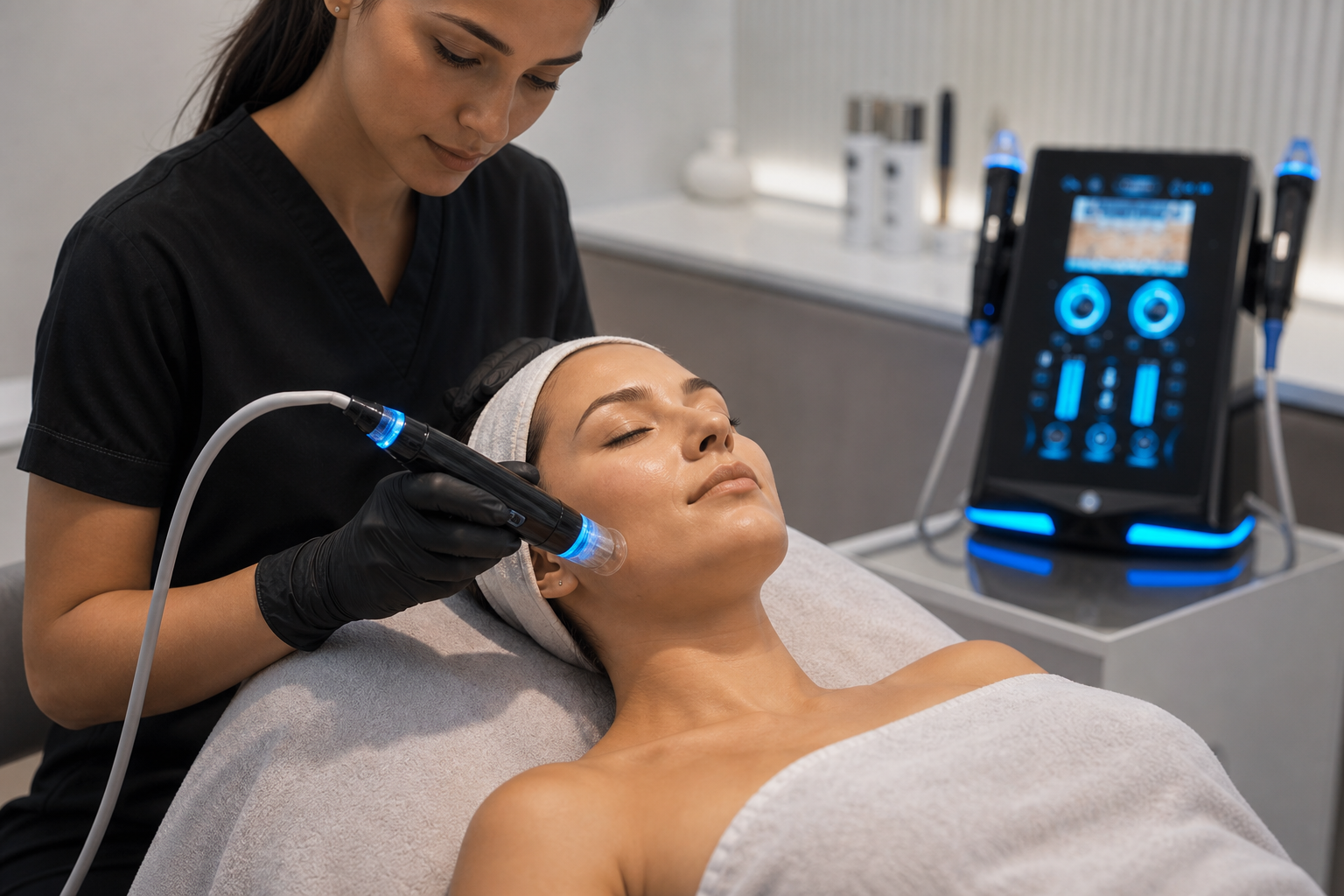
If you're a distributor or OEM/ODM partner building a service menu around this device, the strongest angle isn't "exosome treatment machine" — it's flexibility. One console, two protocols: collagen-remodeling RF microneedling and a separate shallow product-delivery pass. Clinics can then decide which serum to pair with the delivery protocol — exosome-based, peptide-based, or otherwise — based on what's compliant and available in their own market.
This also gives your sales conversation more shelf life than chasing a single trend term. Serum trends will shift; a device built for controlled, tip-adjustable delivery protocols stays relevant regardless of which ingredient is popular that year.
Talk to RESCUPL About OEM/ODM Options
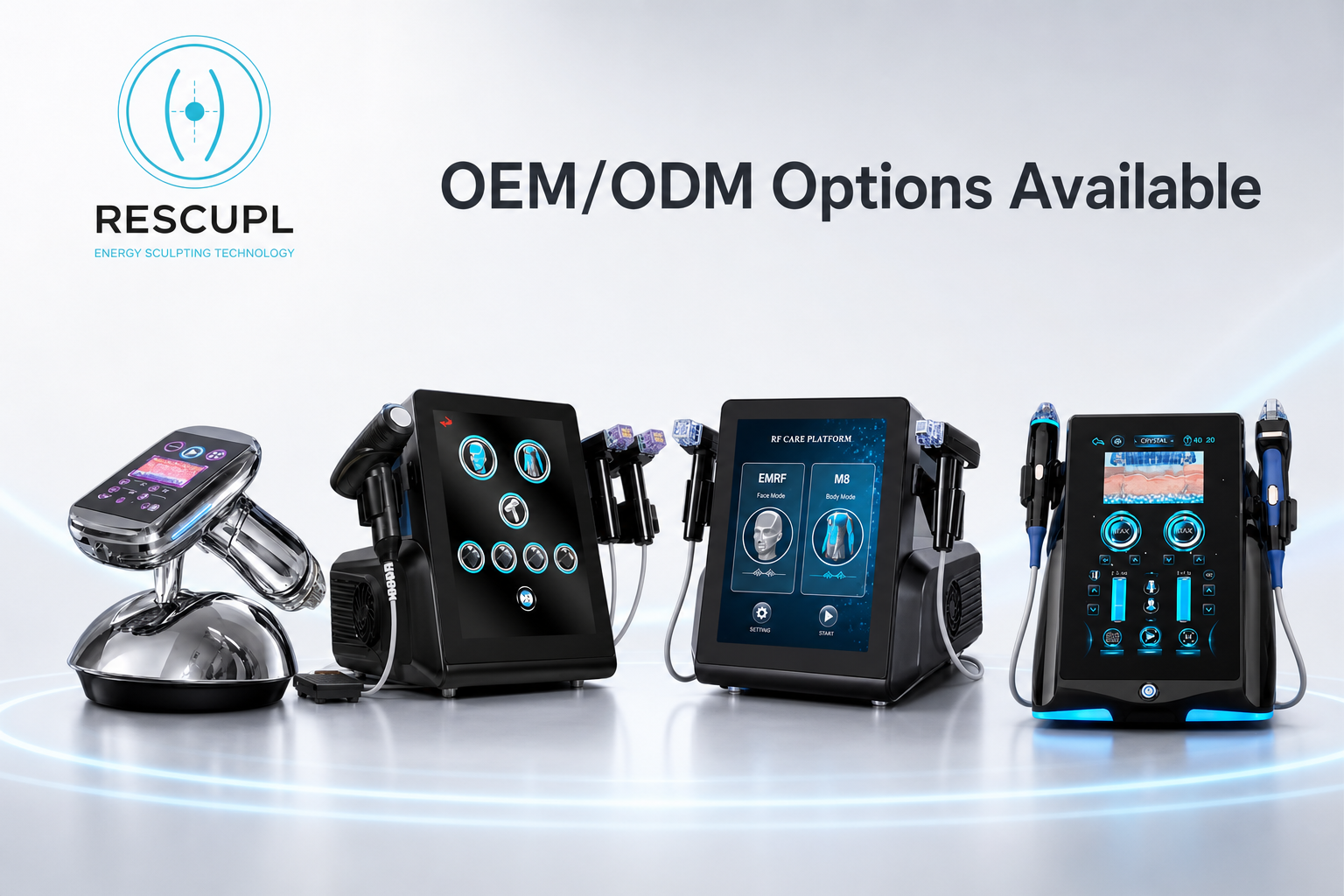
RESCUPL supplies the SK-A70 CryoM9 and its full RF microneedling line with OEM/ODM branding, custom packaging, and multilingual interface options for distributors and clinic groups. Contact our team for wholesale pricing and private-label options.
Related Equipment